


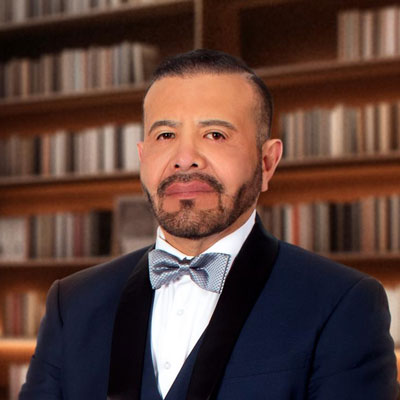
Marco Antonio Buendía Fernández MD
General Surgeon

About Me
Renowned Medical Specialist in General and Cosmetic Surgery
Diploma holder in regenerative medicine, aesthetic medicine, anti-aging medicine, acupuncture, ozone therapy, and neural therapy. Pioneer in the application of epigenetics studies in Mexico.
Ø Medical Degree from the National Autonomous University of Mexico (UNAM).
Ø Specialties: General Surgery and Laparoscopy, recognized by the Autonomous University of the State of Mexico. Health Management and Corporate Wellness from Universidad Anáhuac.
Ø Master’s Degrees: The first in Cosmetic Surgery, endorsed by the Institute of Higher Studies in Medicine; and the second in Health Institutions Management and Administration, endorsed by Universidad Anáhuac México.
Certified by the International Academy of Cosmetic Surgery, headquartered in Cambridge, which granted him international certification in his knowledge and skills in this field as a Facial and Body Cosmetic Surgeon.
PROFESSIONAL LICENSES – ACADEMIC CREDENTIALS
Degree | University | License Number
Medical Degree | National Autonomous University of Mexico | 2458913
Specialty in General Surgery | Autonomous University of the State of Mexico | 6323293
Specialty in Health Management and Corporate Wellness | Universidad Anáhuac México | 14807601
Master’s in Aesthetic Surgery | Universidad del Conde | 8031666
Master’s in Health Institutions Management and Administration | Universidad Anáhuac México | 14279122
Recognized with three Honorary Doctorates (Honoris Causa):
The first for his contributions to medicine in Minimally Invasive Surgery, awarded by the Executive University of the State of Mexico (2016).
The second, in recognition of the excellence of his professional, academic, and humanistic career, as well as his commitment to Mexico’s institutional development, awarded by the National Council of Honorary Doctors (2024).
The third as a global leader supporting the cause of combating educational corruption in the 193 member countries of the United Nations (UN), awarded by the International Federation of Specialists (2024).
The International College of Doctors, based in Lima, Peru (2023), granted him the Honoris Causa recognition and has recognized him as a social leader of excellence.
He has received the Excelsis International Award for his extensive career (2009) and was awarded the Golden Palms (2024) by the National Circle of Journalists due to his outstanding medical work with more than 15 years of experience in Minimally Invasive Surgery.
In December 2024, he was listed among the 100 Outstanding Medical Leaders in Mexico, appearing in Líderes magazine publication “Outstanding Leaders of Mexico.” In October 2025, he was recognized as one of the 100 Outstanding Medical Leaders in Latin America — once as a leader in contemporary medicine and again for his distinguished career as a leader in Aesthetic Surgery, as well as for being one of the major promoters of wellness and health in the 21st century.
His entrepreneurial spirit led him to found and direct Clínica Maran’b (2006–2013) and DMI Escultura Corporal (2013–2026). He is a member of the American Academy of Anti-Aging Medicine and the American Academy of Cosmetic Surgery. He has represented Mexico as a speaker at international congresses in the United States, Colombia, Peru, the Dominican Republic, Puerto Rico, Argentina, Chile, Georgia, and Bulgaria. In 2020, he published a research article in the international journal of the American Academy of Cosmetic Surgery based on his 15 years of experience in minimally invasive facial rejuvenation.
Currently, he serves as a professor, training physicians in minimally invasive procedures and sharing the legacy of his surgical expertise.
Thanks to his charisma, leadership, and communication skills, he has developed action plans for the training of healthcare professionals. He has maintained a consistent presence in media outlets (radio, television, and digital media) with the goal of informing the public about diseases and diagnostic methods based on Preventive Medicine.
Regarding his commitment to patient care, he demonstrates a high level of empathy. His human and direct approach allows him to diagnose with precision, considering the three biopsychosocial spheres. The balance between mental, emotional, and physical health is essential.
“In my 30 years as a physician, I am convinced that most diseases originate from emotions; therefore, the patient must be approached in a comprehensive (holistic) manner.”
He has a long history of commitment, constant dedication, and visible professionalism that allows him to remain at the forefront of the latest medical advancements for the benefit of human health.
Member of the American Academy of Cosmetic Surgery
The American Academy of Cosmetic Surgery (AACS) is a professional medical organization headquartered in Chicago, Illinois (United States), focused on education, professional development, patient safety, and the promotion of excellence in cosmetic surgery and aesthetic medicine.
It promotes continuing education and clinical training for physicians and professionals interested in aesthetic and surgical procedures.
It organizes workshops, courses, meet-ups, and an Annual Scientific Meeting where technical and scientific advancements in aesthetic surgery are discussed.
It publishes resources, facilitates a Digital Library with educational materials, and offers in-depth fellowship programs for advanced learning.
It represents its members in broader medical organizations and advocates for the specialty.
The AACS is not a “marketing badge”; it is composed of physicians from various specialties who perform cosmetic surgery or aesthetic procedures, including dermatologists, plastic surgeons, maxillofacial surgeons, otolaryngologists, and other specialists interested in aesthetics.
Certification of cosmetic surgery specialists in the United States requires formal training, surgical experience, and passing rigorous evaluations.
General and Laparoscopic Surgery
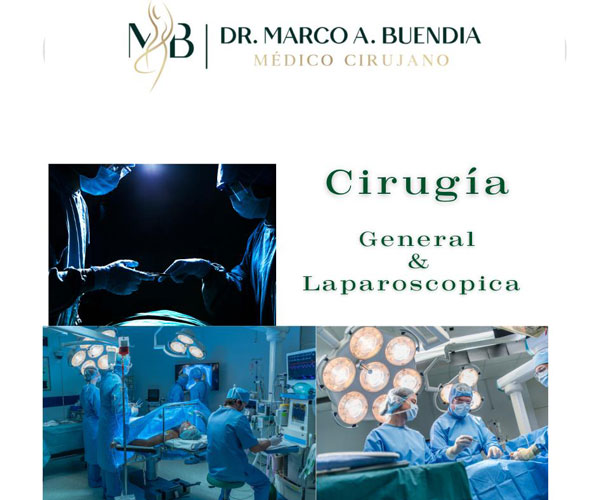
General and Laparoscopic Surgery General surgeons specialize in diagnosing and surgically treating various pathologies that can occur in: Digestive system. Diseases of the esophagus, stomach, small intestine, colon, and rectum. Some of the most common are those related to tumors such as gastric or colon cancer. Less common, but equally complex, are those affecting intra-abdominal organs such as the liver or spleen. Specific techniques that act directly on the stomach are also indicated for morbid obesity. Abdominal wall. The most common surgeries are acute appendicitis and inguinal hernias, with interventions for umbilical hernias and eventrations also being relevant. Skin and soft tissue. This area involves the removal of cysts and tumors in the skin and affected soft tissues. Less invasive techniques are used to remove cysts and tumors, usually benign. Endocrine system. Pathology, usually tumor-related, located in the thyroid, for the thyroid and adrenal glands. They are highly qualified professionals and experts in the management of complex pathologies, such as the treatment of advanced tumors, and are able to coordinate with other specialties in a multidisciplinary approach.
General Medicine Consultation
General practitioners are trained to diagnose and treat everything from general to chronic illnesses. They diagnose and treat a wide range of health problems, referring patients to specialists when necessary. They provide care and advice to hospitalized patients under the care of other specialists. They offer general and preventative medical care for adults of all ages. They manage conditions such as asthma, arthritis, diabetes, hypertension, high cholesterol, and heart disease. They focus on prevention, such as administering vaccinations, providing health advice, and performing sports physicals.
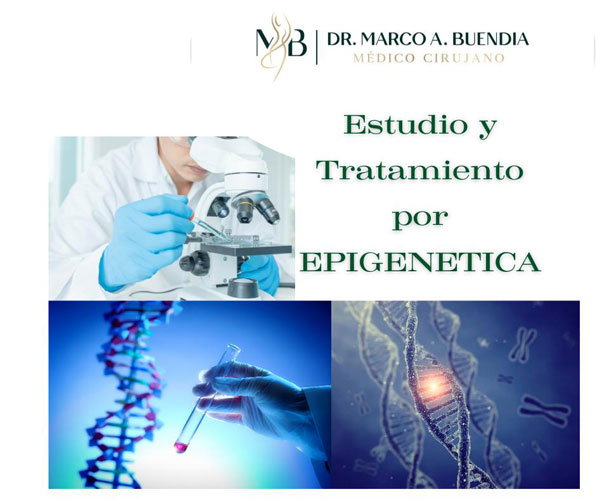
Study of Epigenetics
A study of epigenetics reveals how environmental factors and lifestyle can influence the expression of your genes without altering your DNA sequence. This means it can help you understand how your body responds to diet, exercise, stress, and other factors, and how these responses can affect your health, including disease, aging, and more. It identifies how your body responds to diet, exercise, stress, etc., and how these changes can affect your long-term health. Disease predisposition: It can help you understand your predisposition to certain diseases, as epigenetics plays a crucial role in the development of diseases such as cancer, cardiovascular diseases, and metabolic diseases. In short, epigenetics is a growing discipline that allows us to understand the interaction between our genes and the environment, offering valuable insights into how to take care of our bodies and improve our health.
Body or facial assessment consultation
- Specialty consultation
- General Surgery
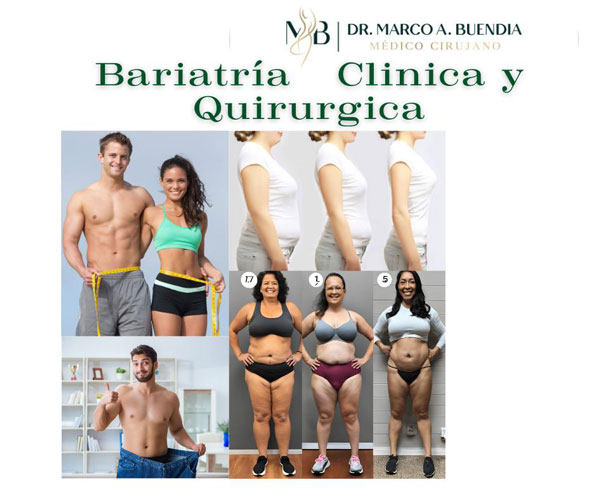
- Bariatric Surgery
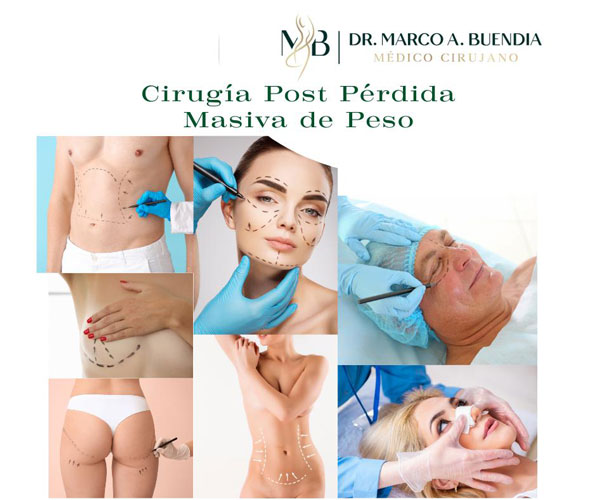
- Massive weight loss surgery
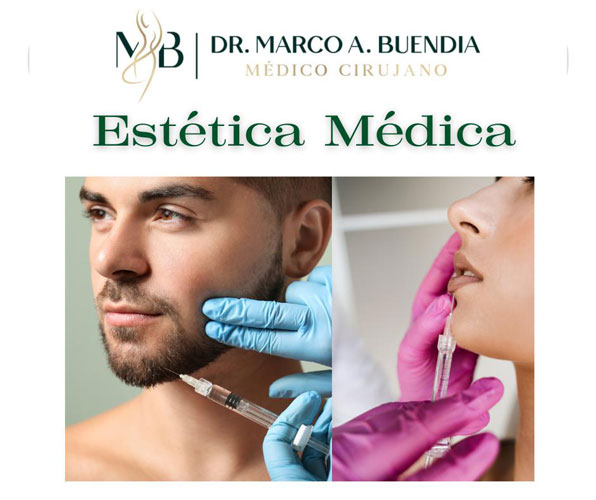
- Medical aesthetics
- Treatment with epigenetic studies
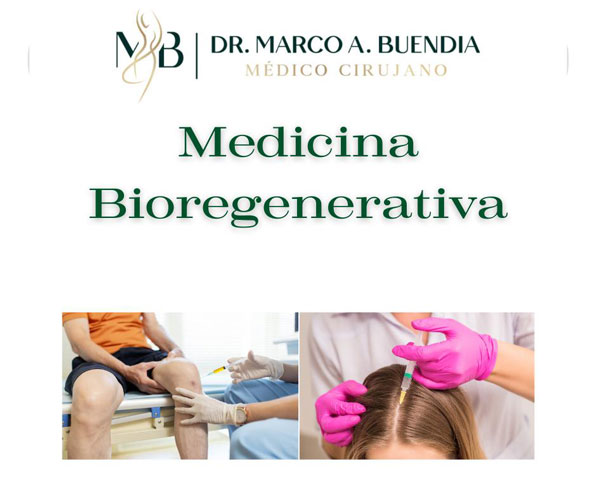
- Bioregenerative medicine
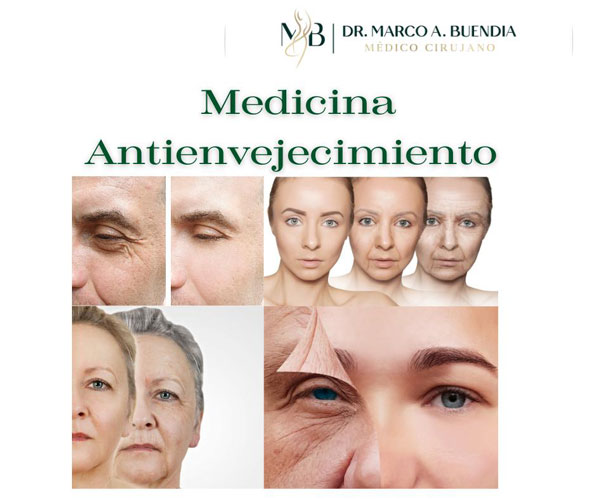
- Anti-aging medicine
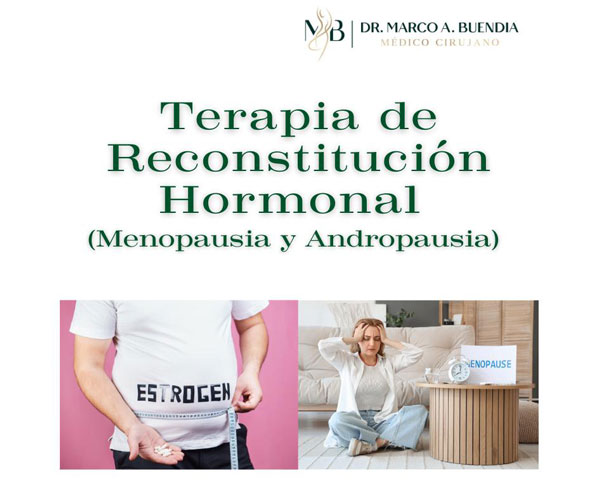
- Hormonal restoration
Aesthetic Medicine
- Botulinum Toxin Hyaluronic
- Acid Peeling
- Platelet-Rich
- Plasma Facial and Body
- Biostimulators Facial and Body
- Mesotherapy Tense
- Threads Skin
- Lesions Removal Acne
- Treatment Skin
- Spot Treatment
- Botox Fillers
- Dermabrasion with Dermapen Technology
Weight Control Consultation
- Body Composition Assessment
- Nutritional Counseling
- Basic Treatment
- Specialized Treatment
- Sports Nutrition Counseling
- Specialized Sports Supplementation
Body or facial assessment consultation
A diagnostic protocol is a set of pre-programmed and sequenced processes used to achieve a specific goal. The skin analysis protocol consists of a series of processes organized into different phases.
Its purpose is to establish a correct skin diagnosis so that the most appropriate actions can subsequently be taken and the necessary decisions made in each case. It is important to know that the aesthetic diagnostic protocol clearly and concisely indicates the steps to follow when performing an analysis of the skin and its appendages.
The elements that the aesthetic diagnostic protocol must include are the following: Processes. Sequencing of techniques and phases. Timeline of the treatment, for each session and each phase. Criteria for evaluating results. Standardized treatment protocols for the most common aesthetic disorders. The equipment required for the diagnosis is as follows:
Body diagnostic equipment:
- body analyzer
- height rod
- scale
- tape measure
- thermography plate
- and fat pad measurer
- Facial diagnostic equipment
Depending on the type and selection criteria, the methods used to prepare the aesthetic diagnostic protocol will be as follows:
- Examination methods
- Facial analysis methodology
- Body analysis methodology
- Questionnaires, forms, and reports
Specialized Therapies
- Sclerotherapy (varicose veins)
- Cellular Therapy (Anti-aging and Chronic Diseases)
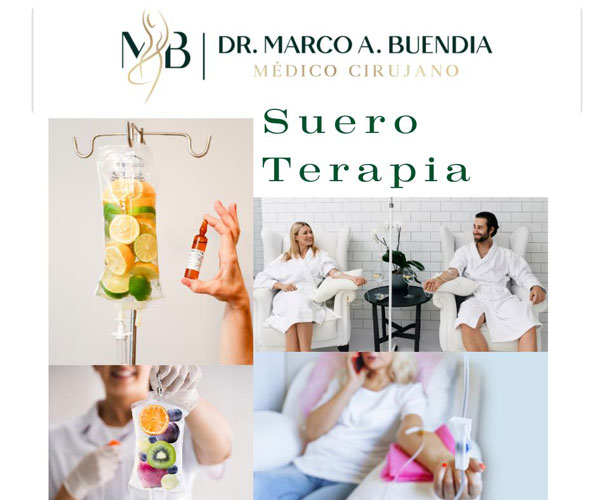
Serum Therapy
- Improve immune capacity
- Increase energy levels
- Relieve symptoms of depression and anxiety
- Improve mental clarity and cognitive function
- Relieve migraine symptoms
- Fight allergies
- Overcome fatigue
- Accelerate wound healing
- Strengthen your body’s muscles and tissues
Treatment: intravenous, preventative, autoimmune, therapeutic, and aesthetic.
Types of serums:
- Vitamins and minerals
- Antioxidant
- Immune system
- Detoxifier
- Skin regenerator
- After-party
- Mayers solution
- Muscle relaxant
- Insomnia treatment
- Effective molecular therapy (Energy)
- Sports
- For liver disorders
- Anti-aging
- Flu relief
- Fat clearing
- Immunomodulator
- For osteoarthritis
- Degenerative processes
- Revitalizing and repolarizing
- Remineralizing
- Neural serum
- Trace elements
- Hydrogen peroxide
SPECIALIZED EQUIPMENT
- Carboxytherapy
- Measurement reduction
- Improves vascular circulation
- Cellulite treatment
- Adjuvant in wound closure
- Pre-surgical preparation technique
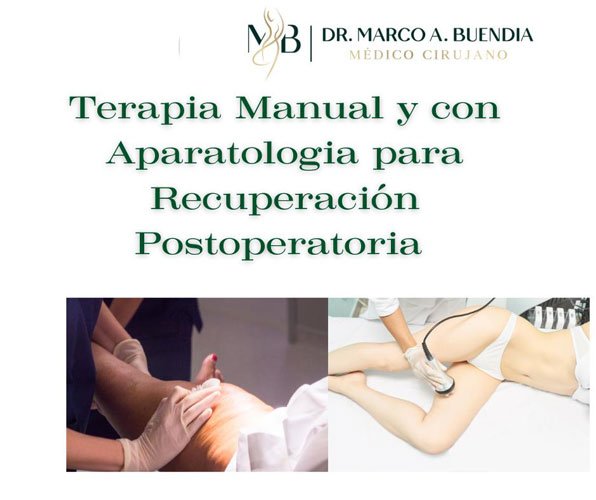
- Facial and Body Ultrasound
This is a noninvasive technique used to treat injuries and improve function. It produces high-frequency sound waves that penetrate the skin and soft tissues, generating heat and vibrations that aid in the recovery process with great results. This noninvasive, safe, and effective technique provides two of its main benefits: its ability to reduce pain and, above all, accelerate recovery from a wide range of conditions.
- External Facial and Body Radiofrequency
This is the use of electromagnetic waves on the skin, penetrating from the most superficial layers of the skin to the deepest layers of the dermis and epidermis, giving a sensation of pleasant warmth. This heat naturally activates collagen production in the skin, helping to eliminate toxins. No local anesthesia is required prior to treatment.
- Cold Laser Therapy
Laser therapy that addresses pain or discomfort uses a type of red or infrared light, stimulating circulation and healthy cell development to help the body heal after an injury.
Injuries or discomfort that laser treatment helps heal include:
- Joint pain
- Torn or injured ligaments
- Muscle stiffness and pain
- Injured rotator cuffs
- Any injury related to muscles or joints
Benefits associated with cold laser therapy include:
- Better blood circulation
- Greater healing over time
- Less pain or discomfort
- Better healing after an injury
- Improved joint health
- Lower rates of inflammation in the body
- LED Mask Chromotherapy
Chromotherapy uses LED masks, devices that emit different colored lights to treat various skin conditions.
Benefits of Chromotherapy
- Collagen Stimulation
Red light penetrates deep into the skin, stimulating the production of collagen and elastin. This helps reduce wrinkles and fine lines, giving a more youthful and smooth appearance.
- Acne Reduction
Blue light has antibacterial properties that can help fight acne-causing bacteria. It also helps regulate sebum production, reducing breakouts and improving overall skin health.
- Circulation Improvement
Green light is used to improve blood and lymphatic circulation, which can help reduce puffiness and dark circles, and give the skin a healthier and more radiant appearance.
- Soothing and Anti-inflammatory
Yellow light is known for its soothing and anti-inflammatory properties, making it ideal for sensitive or irritated skin. It helps reduce redness and inflammation, providing effective relief and improving skin texture.
- Skin Tone Evenness
Purple light combines the benefits of red and blue light, helping to even out skin tone, reduce dark spots, and improve overall facial radiance.
- High Frequency
It is an aesthetic treatment that involves applying high-frequency crystal electrodes to the face and body to treat skin defects such as acne, enlarged pores, dark circles, or wrinkles. Each electrode is used to treat different conditions and areas of the face. In aesthetics, it is part of a group of treatments called electroesthetics, due to the use of electrical currents as a healing method.
- Cavitatio
It is a non-surgical aesthetic treatment whose purpose is to eliminate localized fat deposits, promoting body volume reduction through the use of low-frequency ultrasound.
To undergo cavitation treatment, a prior medical evaluation is required. This is because cavitation treatment is contraindicated in:
Patients with a pacemaker or any other electronic device implanted in the body.
- Patients with hypercholesterolemia or hypertriglyceridemia
- Patients with kidney or liver failure
- Pregnant women
- Women who are breastfeeding
Cavitation treatment involves the production of microbubbles within adipose tissue. These microbubbles rupture adipocytes, thereby eliminating localized fat deposits. When adipocytes rupture, they transform into fluid that is subsequently excreted through urine and the lymphatic system.
Cavitation treatment sessions are quick and easy, lasting on average between 30 and 45 minutes each. Typically, between 6 and 12 sessions are required, depending on the patient’s needs.
STATE-OF-THE-ART TREATMENTS FOR FACIAL REJUVENATION
FRACTIONAL RADIOFREQUENCY
This consists of an intradermal fractional radiofrequency session, helping to generate collagen in the deep layers of the skin. It combines two technologies: radiofrequency and a microneedle system. The combination of both generates thermal energy that will generate new collagen fibers. Benefits:
- Acts on facial and neck sagging, including the décolleté.
- Reduces the appearance of fine wrinkles and folds in the nasolabial areas, cheekbones, and chin.
- Reduces localized fat accumulation in the body. The thermal energy of the needles will act on this fat, dissolving it.
- Reduces the appearance of expression lines in the facial area.
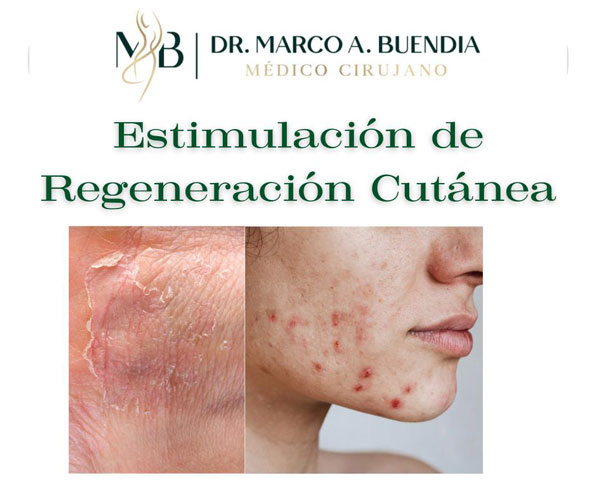
- Softens stretch marks, scars, and acne scars on the face.
- Reduces body sagging in the arms, abdomen, thighs, and buttocks.
How many sessions are necessary?
Again, this will depend on each patient and the area of the body being treated. Approximately 2 to 4 sessions, which should be performed at least every two weeks.
LASER ENDOLIFTING
This procedure is performed using a diode laser fiber optic, inserted under the skin through microincisions. The fiber emits laser energy to control the heating of the subcutaneous tissue. It produces a dual effect: first, it tightens and firms the skin, and second, it induces lipolysis, the elimination of small fat deposits.
This treatment is very effective on the middle and lower thirds of the face, areas where the skin tends to lose firmness over time. It can also be used to treat adhering acne scars, helping to improve the texture and appearance of the affected skin.
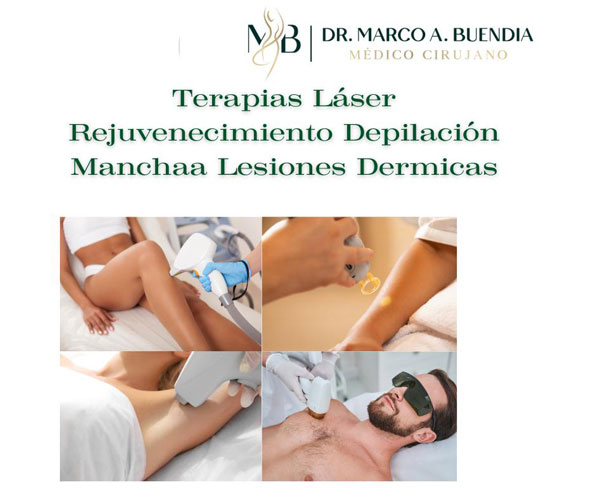
PERMANENT LASER HAIR REMOVAL (SOPRANO LASER)
The soprano laser is a type of hair removal technology that uses diode lasers. It is less aggressive on the skin. This means that it allows the light to be distributed over the same area in multiple passes, ensuring a much faster and more comfortable treatment for patients. By progressively heating the hair follicles, it is a completely safe and virtually painless option.
- It is a virtually painless method thanks to its gradual heating approach. It incorporates a new system with two cold sources that protects the skin and reduces discomfort. This makes it ideal for treating sensitive areas, such as the armpits, groin, or large areas of the body.
- The speed at which it works can reduce the duration of a session by half.
- It is the laser that works best on darker skin tones without producing adverse effects on the skin, such as burns or blemishes.
- It is capable of removing almost all types of hair, even the finest and lightest.
Between 6 and 12 sessions are required, usually spaced 2-4 weeks apart. The duration will depend on factors such as phototype, hair type, and how the person responds to the treatment. Hence, it is a completely customizable method suitable for any area of the body.
It is important to avoid direct sunlight between sessions and use sunscreen on the areas to be treated. However, you may come with a slightly tanned skin.
- Facial
- Body
- Intimate Areas
Gallery
Map
Emerson 150-801-802, Polanco, Polanco V Secc, Miguel Hidalgo, 11560 Ciudad de México, CDMX
Schedule
Testimonials
Digital Card QR

Scan this code
Visitor Counter
Designed by www.my-card.io